Cold plunge tubs are showing up everywhere in 2026 — gyms, med spas, backyard decks, even hotel lobbies. The category is on track to roughly quadruple by the mid-2030s, and it sits inside a global wellness economy now worth close to 7 trillion dollars and still growing at a fast clip. But talk to the spas actually running these programs and the story isn’t really about cold. It’s about what cold is part of.
From Novelty to Recovery Protocol
Contrast therapy — alternating hot and cold exposure — has moved from a social media dare to a standard offering. Spas are building out full recovery circuits: cold plunge, infrared sauna, compression boots, percussive massage, sometimes light therapy on top. It’s no longer framed as something only athletes need. The pitch now is aimed at anyone dealing with ordinary physical fatigue, and it’s increasingly a social experience — bathhouses and communal cold-plunge circuits are becoming their own category of gathering, not just a solo biohacking ritual.
The Real Goal Isn’t the Cold, It’s the Signal
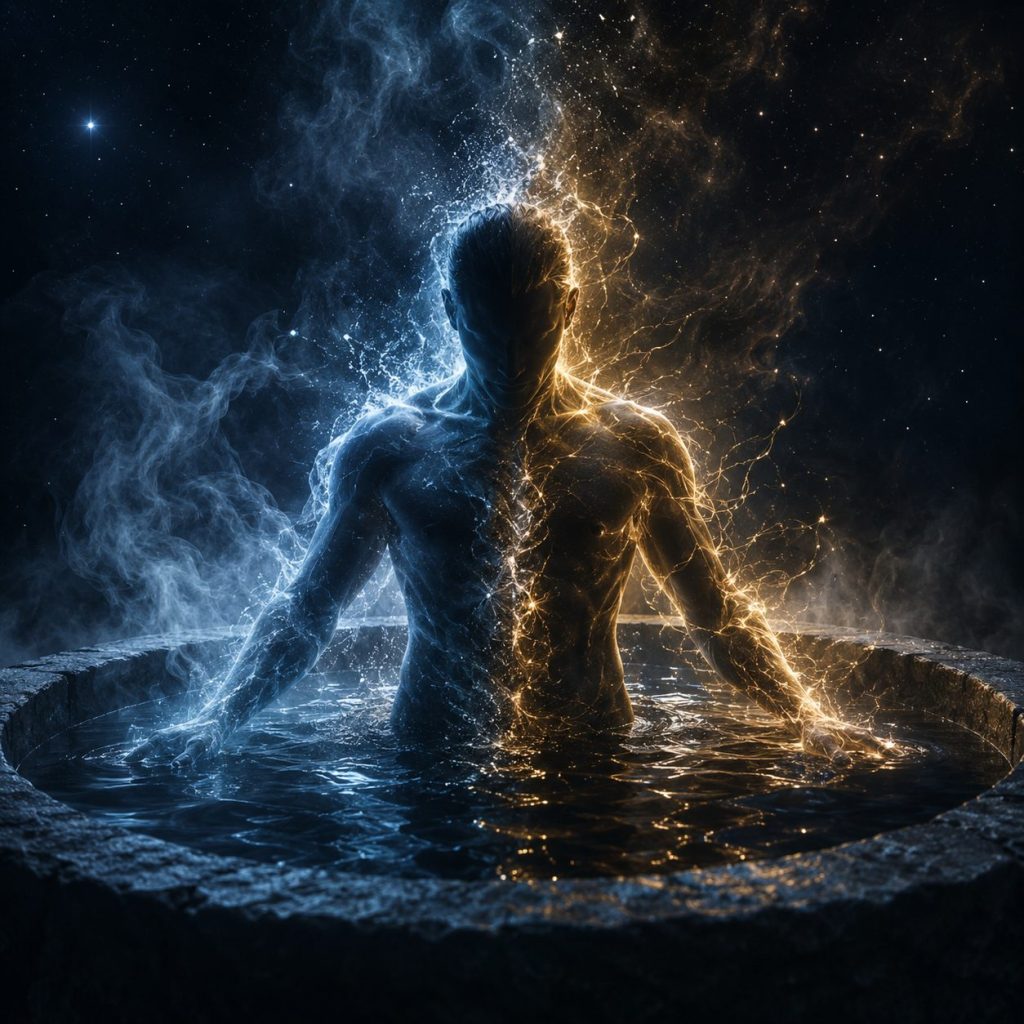
Here’s the part that gets lost in the “just get in the cold water” version of this trend: the cold itself isn’t the therapy. It’s the trigger. Cold exposure forces blood vessels to constrict and then rapidly dilate once you warm back up, and that swing is what flushes tissue, reduces inflammation, and resets an overstimulated nervous system. The tub is just the delivery mechanism for a signal the body is built to respond to.
That reframing matters, because it’s the same logic behind every other recovery modality getting popular alongside it. Compression therapy works by signal, not sensation. Percussive massage works by signal. Light therapy works by signal. The tools look completely different, but the underlying premise across all of them is identical: give the body a specific, repeatable input, and its own repair systems do the rest.
Why Spas Are Stacking, Not Choosing
The most telling shift in 2026 spa design isn’t any single modality — it’s that nobody is picking just one anymore. Recovery lounges are being built around circuits, where guests move through several signal-based tools in a single visit because each one is triggering a slightly different repair pathway. Cold for circulation and inflammation. Heat for circulation in the other direction. Compression for lymphatic flow. Frequency-based tools, including PEMF and crystal-based devices, are increasingly part of that same circuit, addressing the cellular and energetic layer that temperature swings alone don’t reach.
Where the Resonator Fits
Not everyone has a cold plunge circuit down the street, and even fewer people can build one at home. What you can build is a daily frequency practice that works on the same principle spas are betting hundreds of millions of dollars on: consistent, targeted signal beats occasional intensity. The Resonator doesn’t replace a cold plunge — it fills the gap on every day you can’t get to one, giving your body that same steady, repeatable input the entire recovery industry is now organized around.
The cold plunge boom isn’t really about the cold. It’s about an industry finally admitting that recovery is a system you have to feed daily, not an event you schedule once in a while — and frequency has quietly become one of its most trusted inputs.