
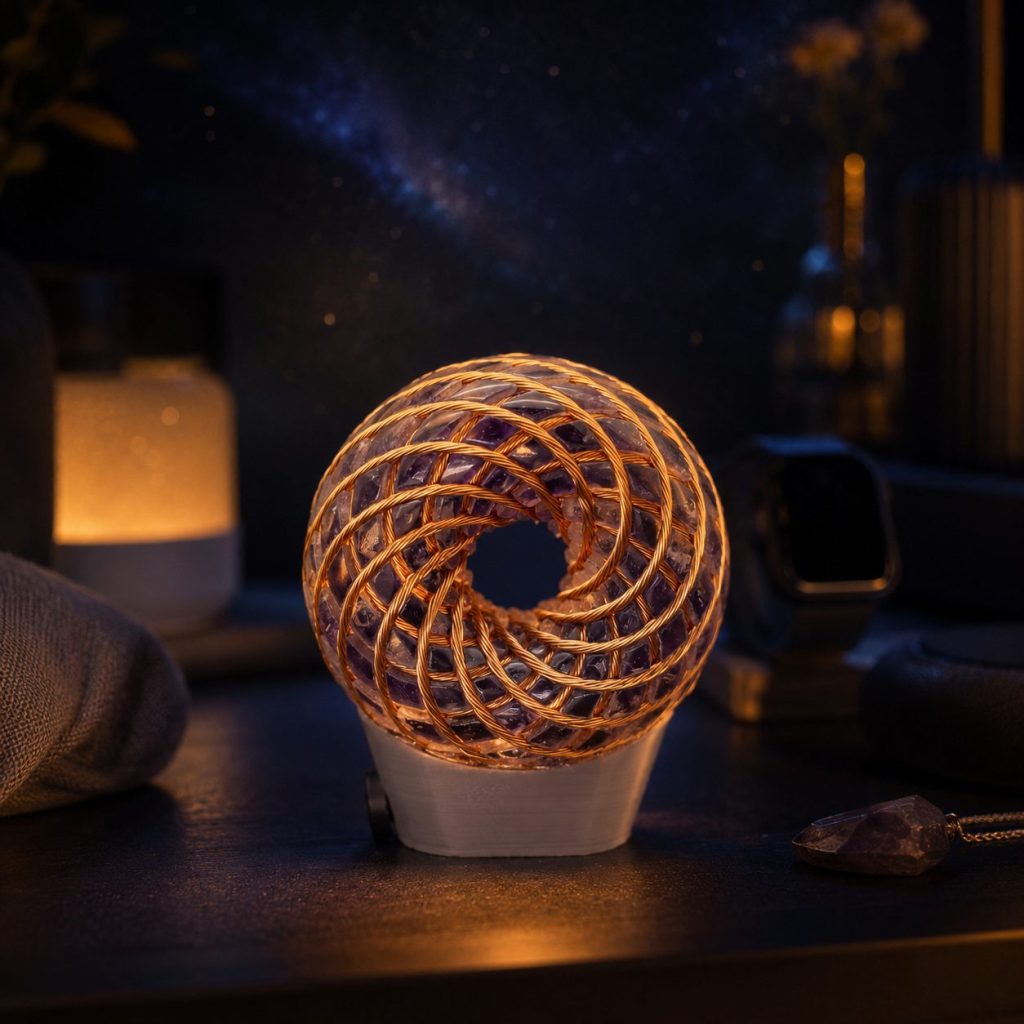
At-home wellness technology is one of the fastest-growing consumer categories right now, and PEMF is squarely inside that boom. Market analysts put the global PEMF therapy device market at roughly $5.8 billion in 2025, projected to more than double by the early 2030s. That growth is being driven largely by biohacking culture — people looking for non-invasive, drug-free ways to manage pain, recovery, and stress at home, without a clinic visit. We think it is worth walking through where this category actually stands, and being honest about where the Resonator sits inside it.
PEMF has real regulatory history behind it
We have written about this in more depth elsewhere on this blog, but it bears repeating here: PEMF is not a fringe invention. The FDA cleared its first PEMF device for bone healing in 1979, built on Dr. Robert Bassett’s published research. That regulatory history is a big part of why PEMF sits in a meaningfully different category than most “energy” products on the market — it has decades of clinical use behind the core technology, even as consumer-grade, at-home devices are a newer and less rigorously tested category than the clinical originals.
The multi-therapy trend: PEMF plus light
The market is increasingly moving toward devices that combine PEMF with red light and near-infrared therapy in one system. Red light therapy has its own solid evidence base worth knowing about: multiple FDA-cleared devices exist specifically for wound healing, and the mechanism is well understood — wavelengths around 630-830nm activate cytochrome c oxidase in mitochondria, accelerating cell repair, collagen synthesis, and reducing inflammation. Studies on red and near-infrared light have shown measurable improvements in wound closure, scar quality, and skin collagen density.
Pairing PEMF and red light makes sense on paper — two different, independently-evidenced mechanisms addressing overlapping goals of recovery and inflammation. It is a legitimate direction the wider industry is moving in, and one reason PEMF as a category is earning more mainstream credibility rather than less.
Where the Resonator is different — and we want to be clear about it
Most commercial multi-therapy devices on the market are purely mechanistic: PEMF coils, red light diodes, sometimes infrared heat, sold on their measurable physiological effects alone. The Resonator has that same real PEMF core at its center, run through an amplifier and frequency app the same way any consumer PEMF device works. What we add on top is different: a Rodin coil matrix built around sacred geometry, embedded with piezoelectric quartz and other crystals, designed for the intentional, spiritual frequency practice we have written about throughout this blog.
We want to be honest about what that means: the PEMF core sits in a well-established, regulated category. The sacred geometry and crystal layer is a different kind of offering — a design and intention practice, not a clinically validated addition to the PEMF mechanism itself. We think both parts are worth building and worth using, but we would rather you understand exactly which part of the Resonator is standing on decades of PEMF research, and which part is standing on the metaphysical tradition we are proud to work within.